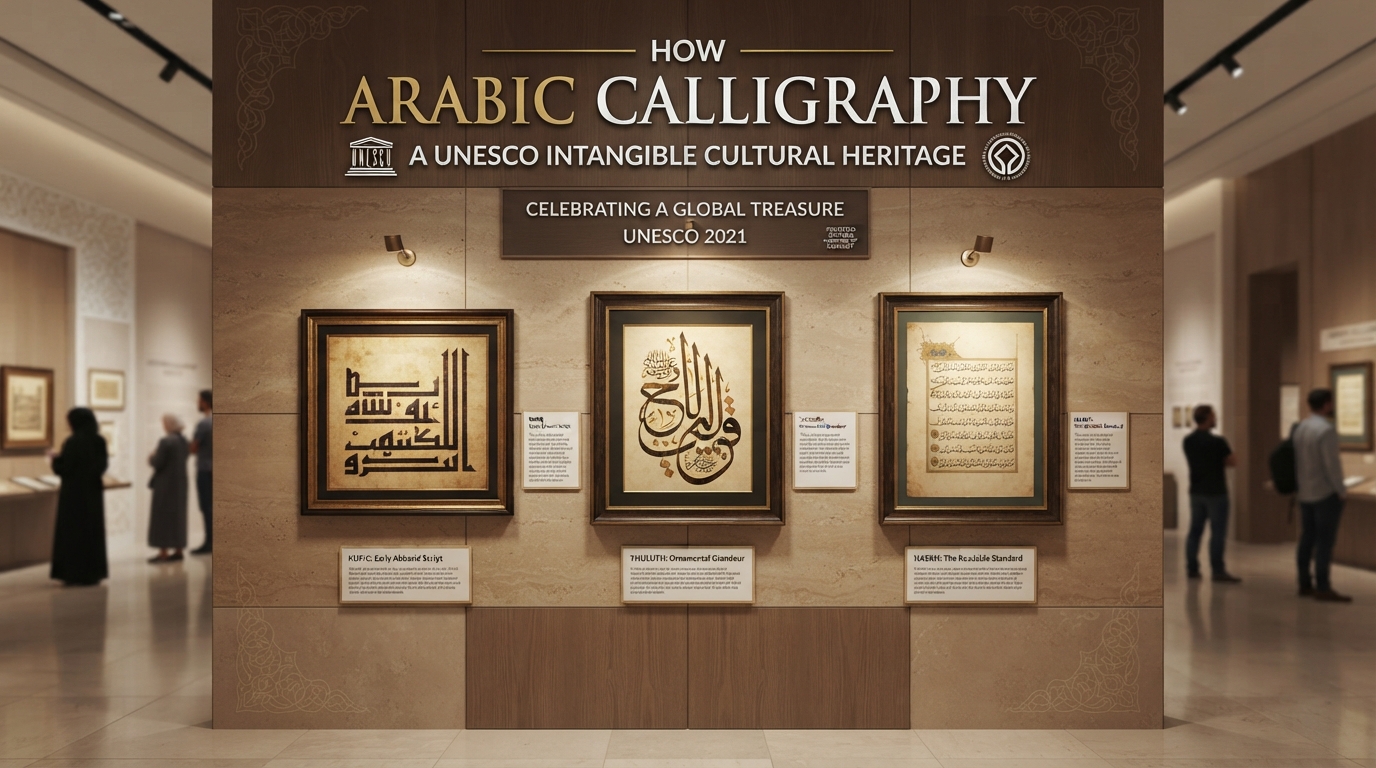
On December 14, 2021, UNESCO added Arabic calligraphy to a list that has nothing to do with monuments, ruins, or artifacts. Unlike the Pyramids of Giza or the Alhambra, calligraphy isn't a place you can visit or a structure you can restore — it's a skill that only survives if someone keeps teaching it to someone else, by hand, generation after generation. That distinction is the entire premise of UNESCO's Intangible Cultural Heritage program, and it's a big part of why Arabic calligraphy's addition to it was reported almost as much as a warning as a celebration.
What "intangible cultural heritage" actually means
UNESCO maintains two very different kinds of heritage lists, and mixing them up is a common mistake. The World Heritage List covers tangible sites — physical places like buildings, monuments, and landscapes, judged in part on their preserved authenticity. The Intangible Cultural Heritage (ICH) framework, created under the 2003 Convention for the Safeguarding of the Intangible Cultural Heritage, covers something categorically different: living practices, skills, knowledge, and traditions that communities actively perform and pass down, from oral traditions and performing arts to craftsmanship and social rituals.
UNESCO's own explanation of the tangible/intangible distinction makes the underlying logic explicit: intangible heritage "is constantly recreated," so the concept of authenticity used for a physical World Heritage Site simply doesn't map onto it the same way. A restored building can be judged against its original form. A calligraphic tradition can't be "restored" in that sense — it can only be kept alive by people actually still practicing it, which means the safeguarding strategies have to be entirely different: less about physical preservation, more about education, transmission, and economic support for practitioners.
Arabic calligraphy's official UNESCO listing reflects that framing directly. It's formally inscribed as "Arabic calligraphy: knowledge, skills and practices" — not as an object or a style, but as a body of transmitted expertise.
Why calligraphy specifically qualified
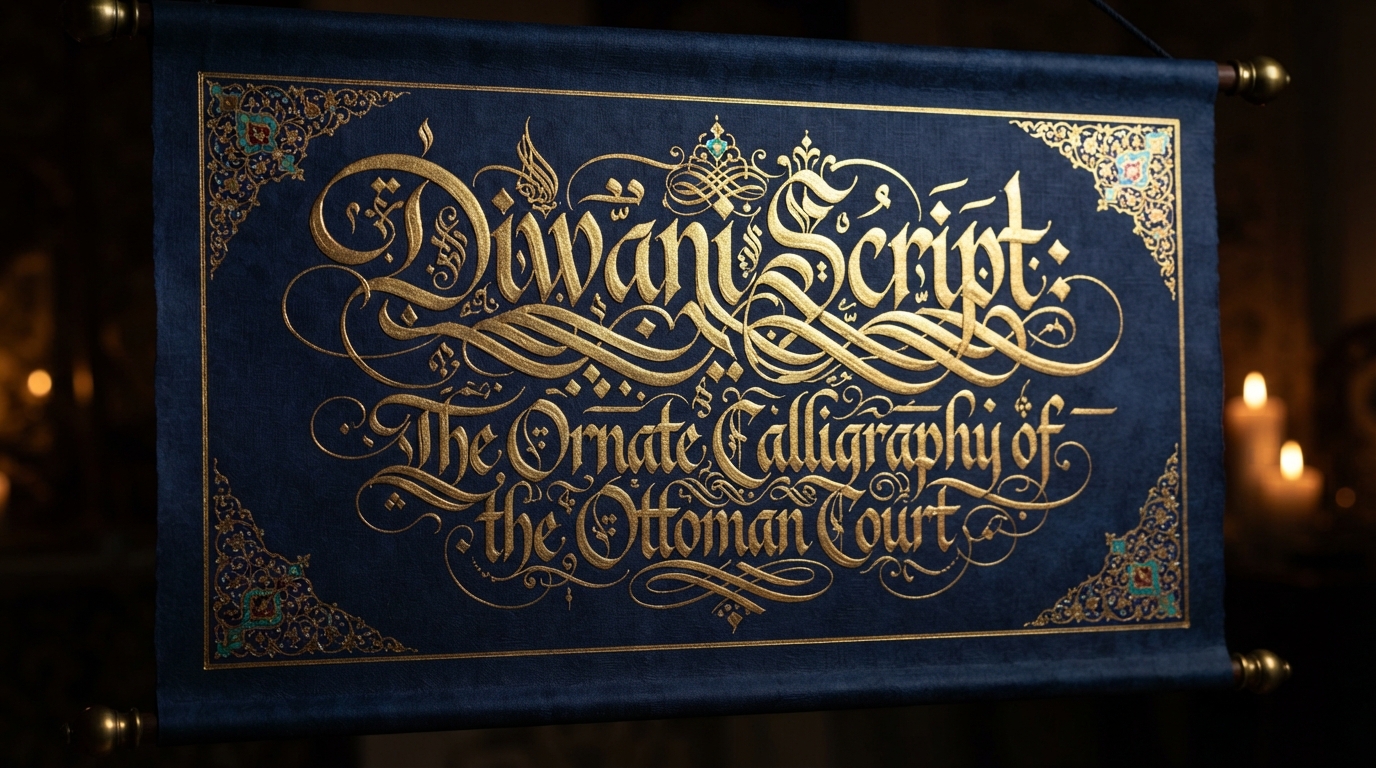
UNESCO's official description defines Arabic calligraphy as "the artistic practice of handwriting Arabic script in a fluid manner to convey harmony, grace and beauty," noting that "the fluidity of Arabic script offers infinite possibilities, even within a single word, as letters can be stretched and transformed in numerous ways to create different motifs." That flexibility — the same quality that let scripts like thuluth and diwani develop into such distinct, expressive forms centuries ago — is essentially the case UNESCO made for why the practice qualifies as a living art form rather than just a writing system.
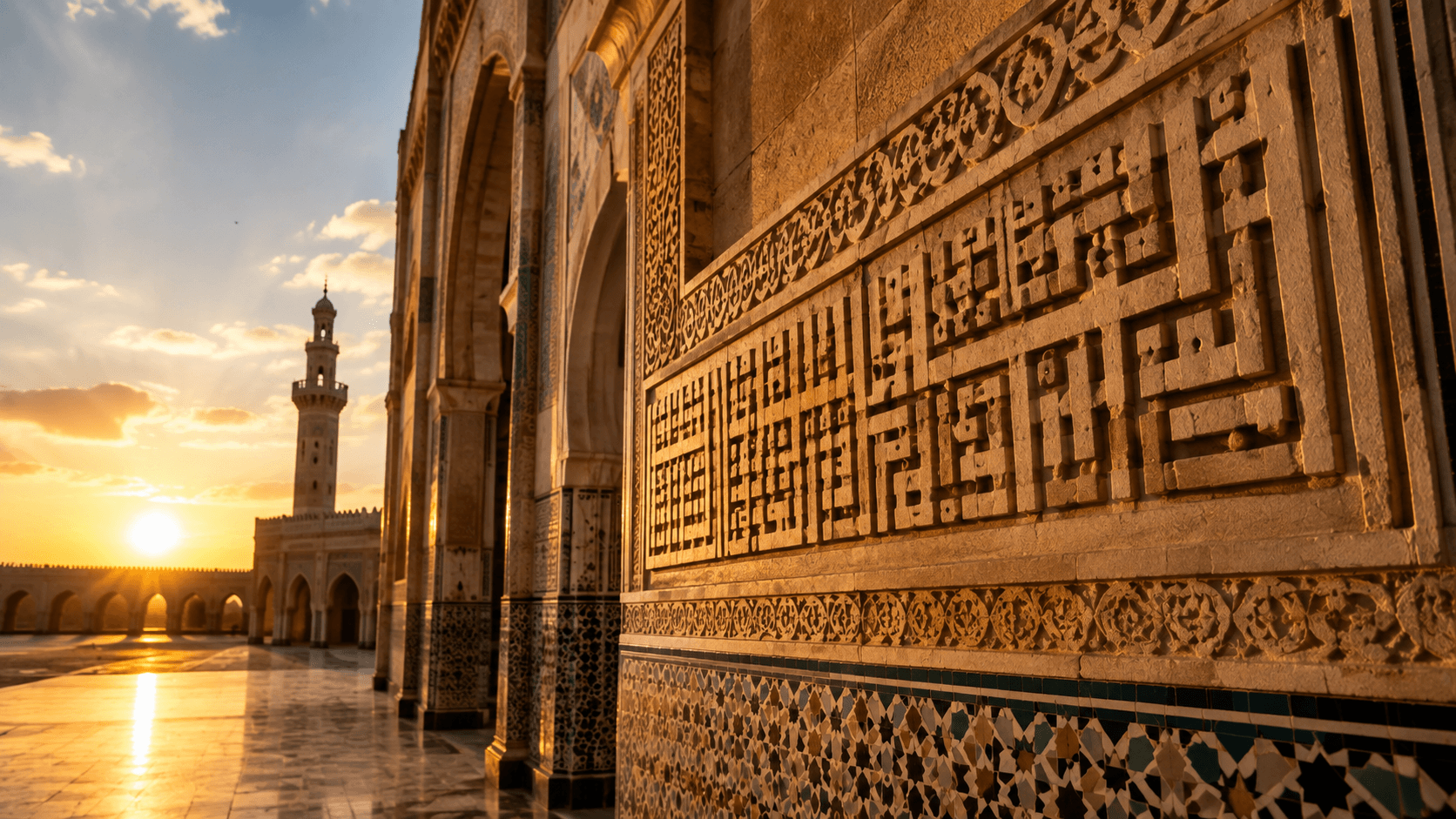
The listing also recognizes how far the craft extends beyond ink on paper. UNESCO's own element description notes that Arabic calligraphy techniques historically shaped marble carving, woodwork, embroidery, and metal etching, and that practitioners today range from traditionalists still using reed and bamboo qalams with ink recipes involving honey, soot, and saffron, to contemporary artists working in spray paint and calligraffiti on city walls. In other words, the nomination wasn't just protecting a historical writing method — it was recognizing an entire, still-evolving craft ecosystem built around it.
The nomination itself was unusually large in scope: a joint submission by 16 countries — Saudi Arabia, Algeria, Bahrain, Egypt, Iraq, Jordan, Kuwait, Lebanon, Mauritania, Morocco, Oman, Palestine, Sudan, Tunisia, the United Arab Emirates, and Yemen — spanning the Arabian Peninsula, the Levant, North Africa, and beyond. A single-country nomination would have made a much narrower argument. A 16-country joint file made the case that this is a shared, transnational tradition, practiced with regional variation but rooted in the same underlying script and technique across a huge stretch of the world. That framing matters for a craft with regional dialects as distinct as Diwani in the old Ottoman chancery or Maghrebi script in North Africa and Islamic Spain — different regional expressions of one continuous artistic lineage.
The concern under the celebration: a craft losing practitioners
Read past the headlines about the inscription itself, and the reporting around it tells a more anxious story. In coverage from Al-Fanar Media, Egyptian calligrapher Mohamed Baghdadi described the profession's economics bluntly, noting that a calligraphy teacher's wage in some schools isn't "enough to buy a cup of tea," and that many people now simply prefer digital tools to producing calligraphy by hand. Syrian calligrapher Mouneer Al-Shaarani went further, warning that existing calligraphy schools suffer from "deliberate government neglect" and that students often don't see the education as useful to their futures — while cautioning against a different risk too: that treating calligraphy purely as heritage to be preserved could freeze it into a museum piece instead of letting it keep evolving as a living art.
That tension — between "this is dying out, save it" and "don't just embalm it" — runs through most ICH nominations, but it's especially sharp for a skill-based craft like calligraphy. A building doesn't lose motivation to keep existing. A calligraphy apprenticeship pipeline can, if too few people can make a living teaching or practicing it. UNESCO's own website flags this directly, citing the sharp decline in specialized Arab calligraphic artists and noting that many people no longer write by hand at all due to broader technological change — the same pressure that shows up in individual calligraphers' accounts of their profession.
What the listing actually does in practice
An ICH inscription doesn't come with direct funding or legal force the way, say, a protected building designation might. What it does is create visibility and a form of ongoing accountability: countries that co-sponsor a listed element commit to periodic reporting on how they're safeguarding it, which gives advocates and practitioners a formal hook to push governments on funding, education, and institutional support. Reporting on the nomination noted that calligraphers hoped the listing would encourage governments to actively "take care of the heritage element and develop the skills of its professionals," and that it might help revive structured apprenticeship models and dedicated university-level calligraphy programs rather than leaving instruction to informal, underfunded arrangements.
Whether that pressure translates into real institutional change varies a lot by country, and it's still early to say. But the mechanism is clear: the listing turns "we should probably preserve this" into a recurring, internationally visible commitment, which is a meaningfully different thing than a headline and a certificate.
Why this matters even if you're just choosing a font
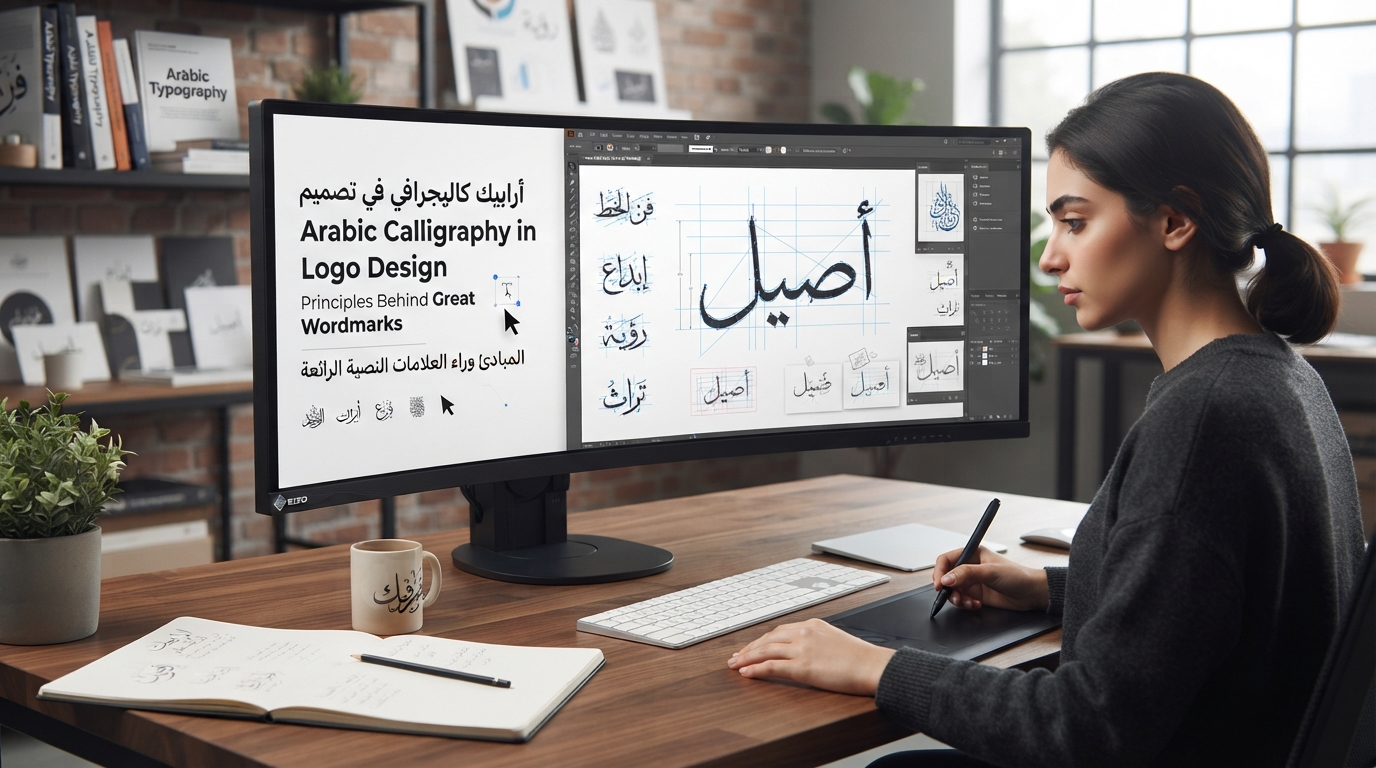
It's worth connecting this back to something practical. Every time someone picks a naskh or thuluth typeface for a logo, a wedding invitation, or a piece of wall art, they're drawing — often without realizing it — on a proportional and stylistic system built by real historical figures, from Ibn Muqla's 10th-century standardization of Arabic script onward, and now formally recognized as a living heritage worth protecting. Digital tools and hand calligraphy aren't really in competition here; a font generator makes these letterforms usable at scale, but it doesn't teach anyone to actually write them. If the UNESCO listing's underlying worry is that fewer people are learning calligraphy by hand, the long-term fix runs through instruction and practice, not typography alone — something covered in more depth in this site's beginner's guide to learning Arabic calligraphy by hand. For the broader arc of how the script got here, see this site's short history of Arabic calligraphy, and to see the styles this heritage protects in action, the font generator is a good place to start.
Frequently asked questions
When did Arabic calligraphy become a UNESCO Intangible Cultural Heritage?
UNESCO inscribed Arabic calligraphy on its Representative List of the Intangible Cultural Heritage of Humanity on December 14, 2021, following a joint nomination by 16 countries.
Which countries nominated Arabic calligraphy for UNESCO recognition?
Saudi Arabia, Algeria, Bahrain, Egypt, Iraq, Jordan, Kuwait, Lebanon, Mauritania, Morocco, Oman, Palestine, Sudan, Tunisia, the United Arab Emirates, and Yemen submitted the nomination jointly.
What's the difference between intangible and tangible cultural heritage?
Tangible heritage covers physical sites and monuments, like those on UNESCO's World Heritage List, judged partly on preserved authenticity. Intangible cultural heritage covers living practices, skills, and traditions — like calligraphy, music, or crafts — that only survive through ongoing practice and transmission between people, so they require different safeguarding approaches than physical preservation.
Why was Arabic calligraphy at risk of decline?
Calligraphers and reporting around the UNESCO nomination pointed to declining handwriting practice due to digital tools, low pay for calligraphy teachers, and underfunded or neglected calligraphy education programs as key pressures reducing the number of trained practitioners.
Does UNESCO recognition legally protect Arabic calligraphy?
Not in a direct legal sense. The designation doesn't provide funding or enforcement on its own, but it commits sponsoring countries to periodic reporting on safeguarding efforts, which gives practitioners and advocates a formal basis to push for better education, apprenticeship programs, and institutional support.