History
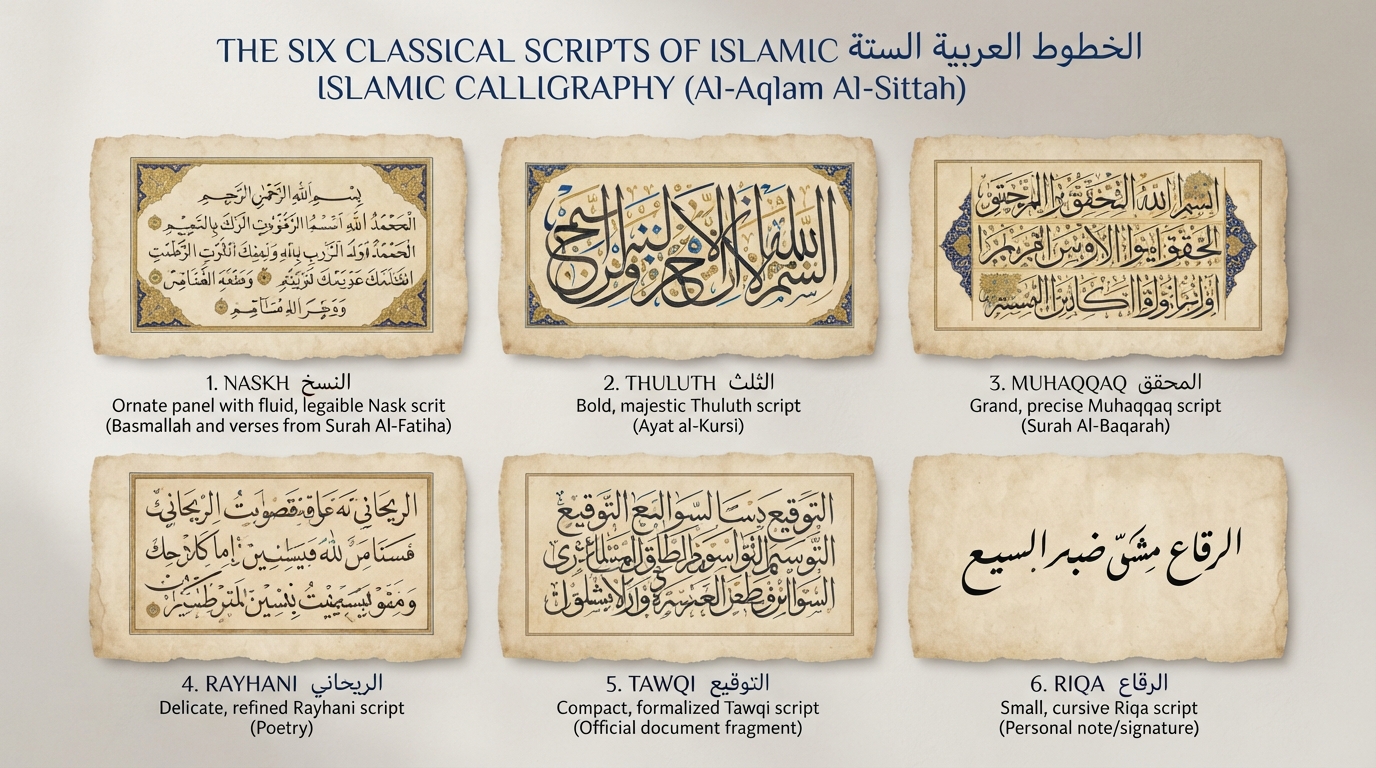
The Six Classical Scripts of Islamic Calligraphy (Al-Aqlam Al-Sittah)
Naskh, Thuluth, Muhaqqaq, Rayhani, Tawqi' and Riqa' explained — the six classical scripts of al-aqlam al-sittah and how they differ from modern styles.
All Arabic Calligraphy Fonts articles tagged "calligraphy-styles".
Naskh, Thuluth, Muhaqqaq, Rayhani, Tawqi' and Riqa' explained — the six classical scripts of al-aqlam al-sittah and how they differ from modern styles.
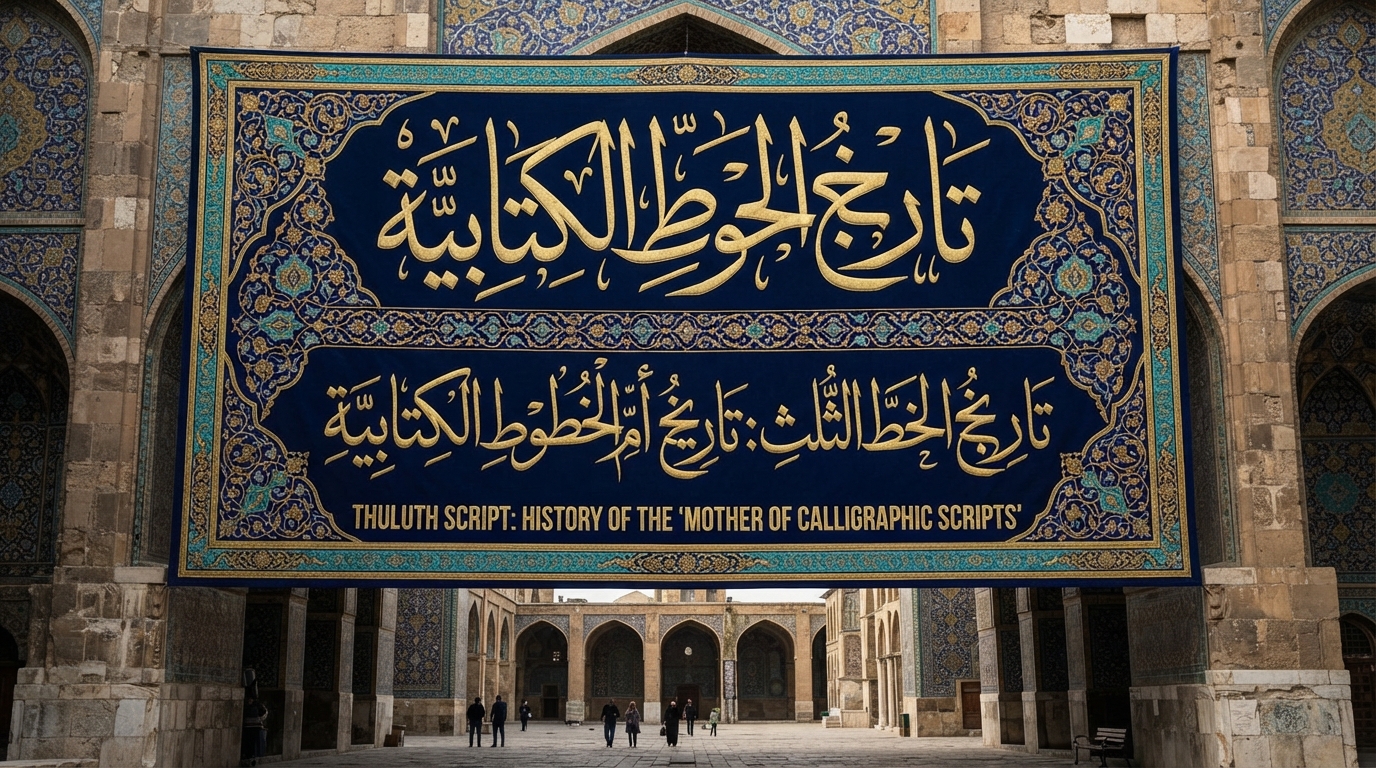
Why calligraphers call Thuluth umm al-khatt, 'the mother of scripts' — its Ibn Muqla origins, structure, and its role in mosques and modern design work.
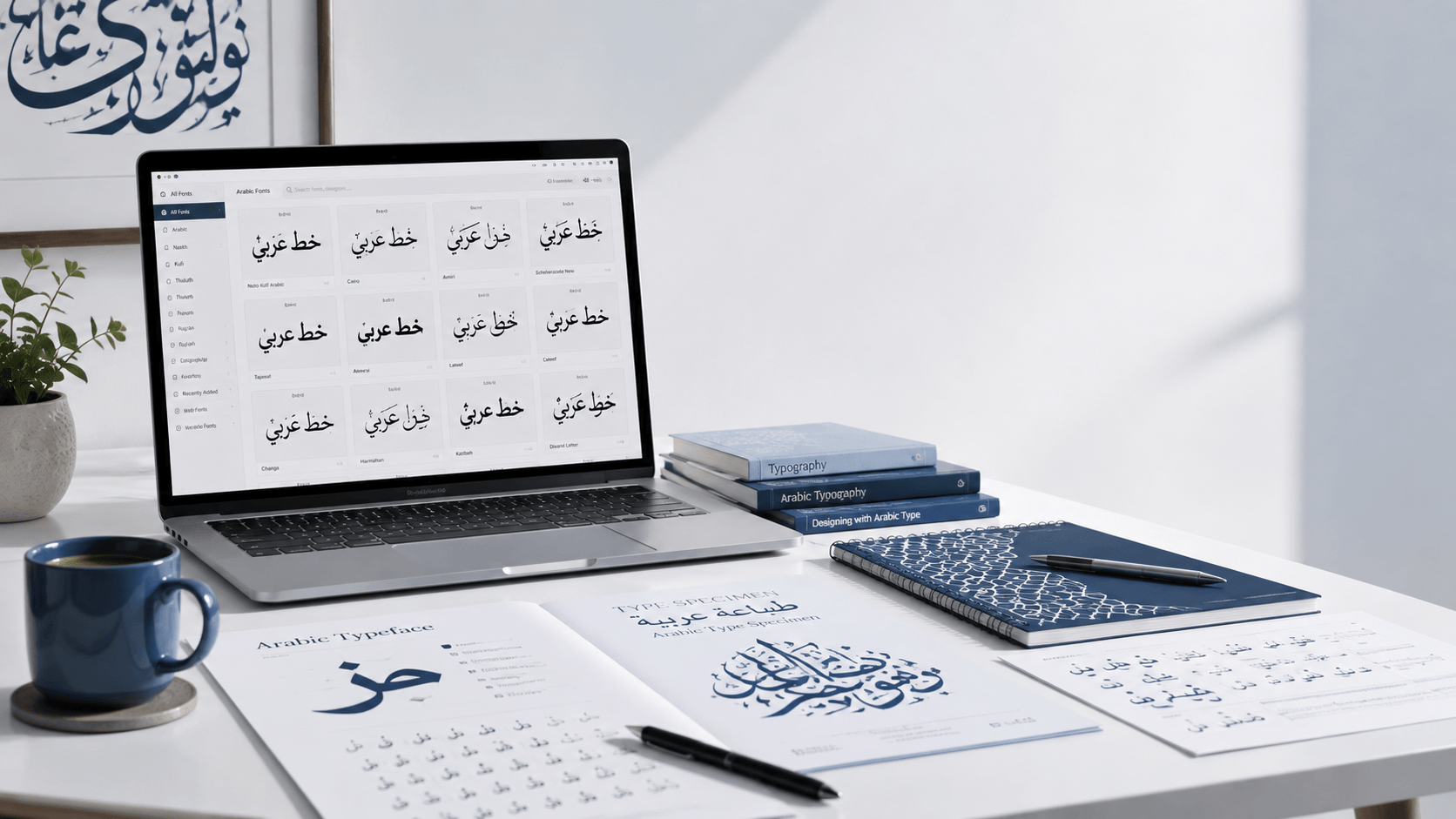
The best free, real Arabic Google Fonts ranked by style — Naskh, Kufi, Thuluth, and more — with what each one is actually good for.
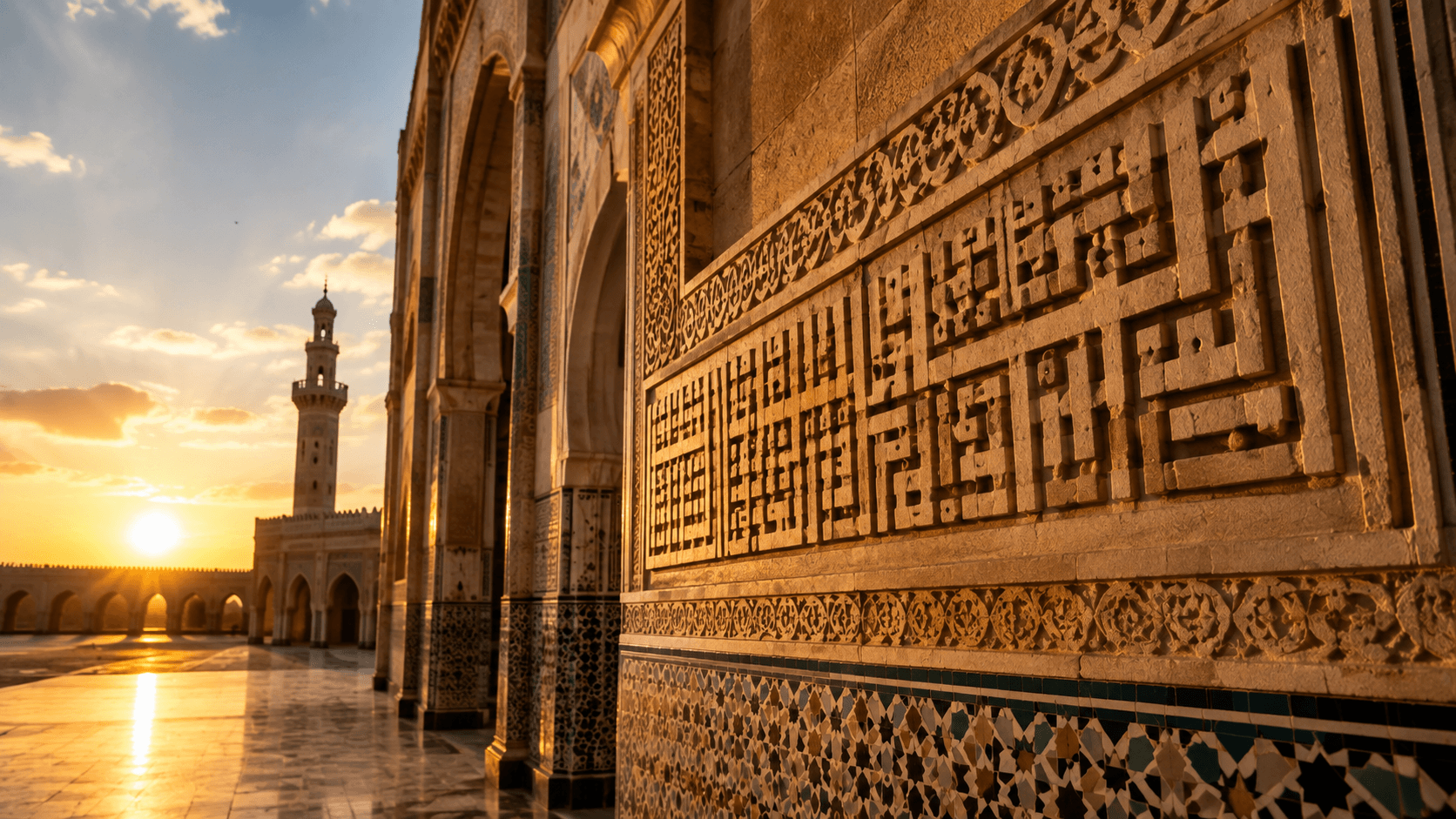
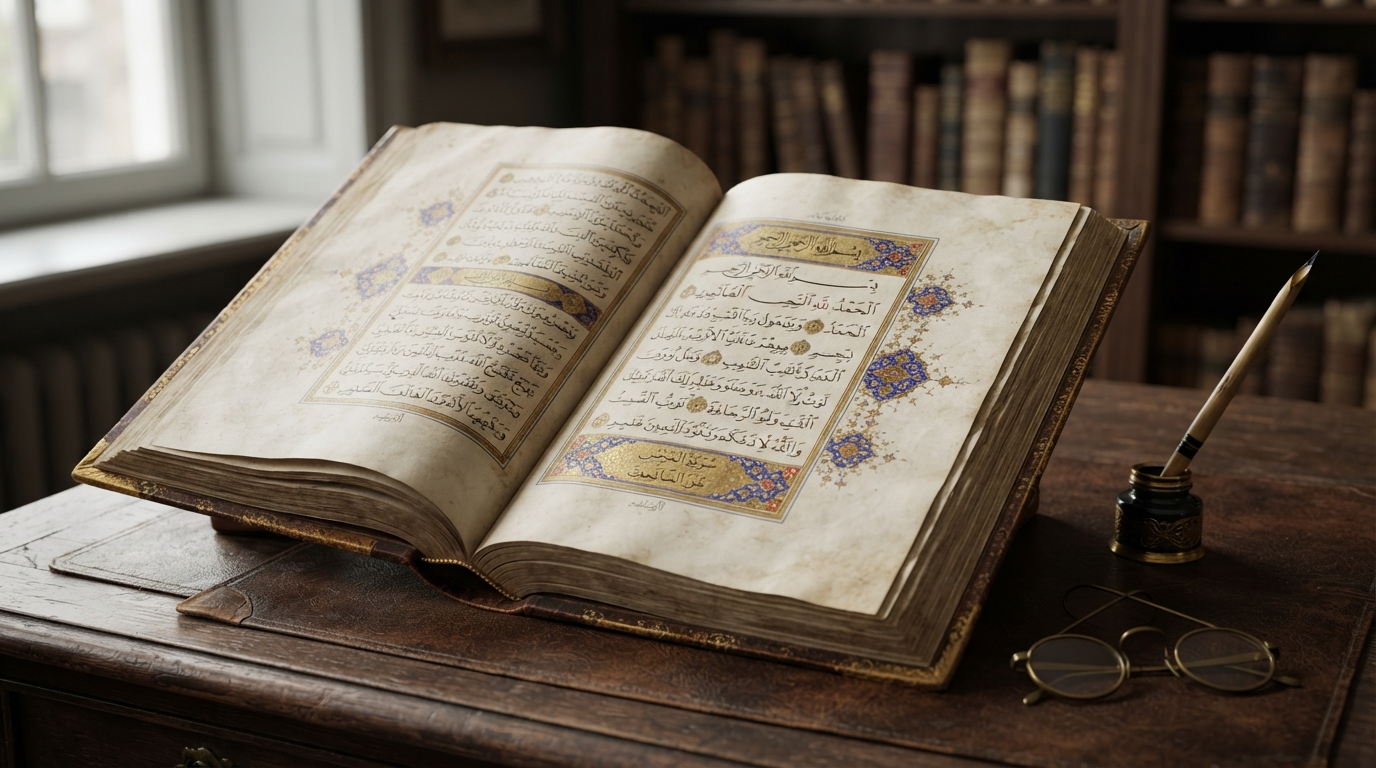
How Kufic script moved from early Qur'anic manuscripts to mosque walls, coins, and monuments — and why its geometric letterforms still endure today.
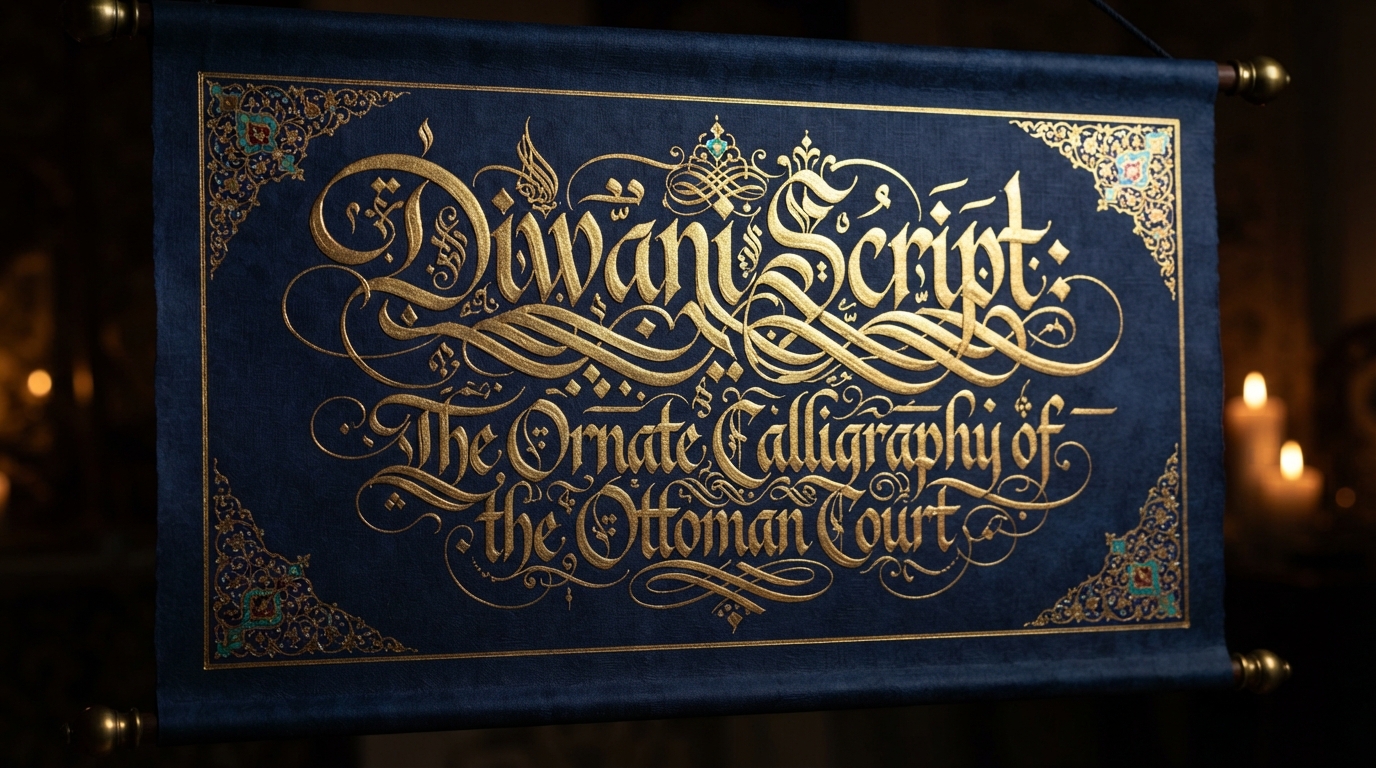
How Diwani script's deliberate complexity protected Ottoman imperial decrees from forgery, and why authentic digital Diwani fonts remain rare today.
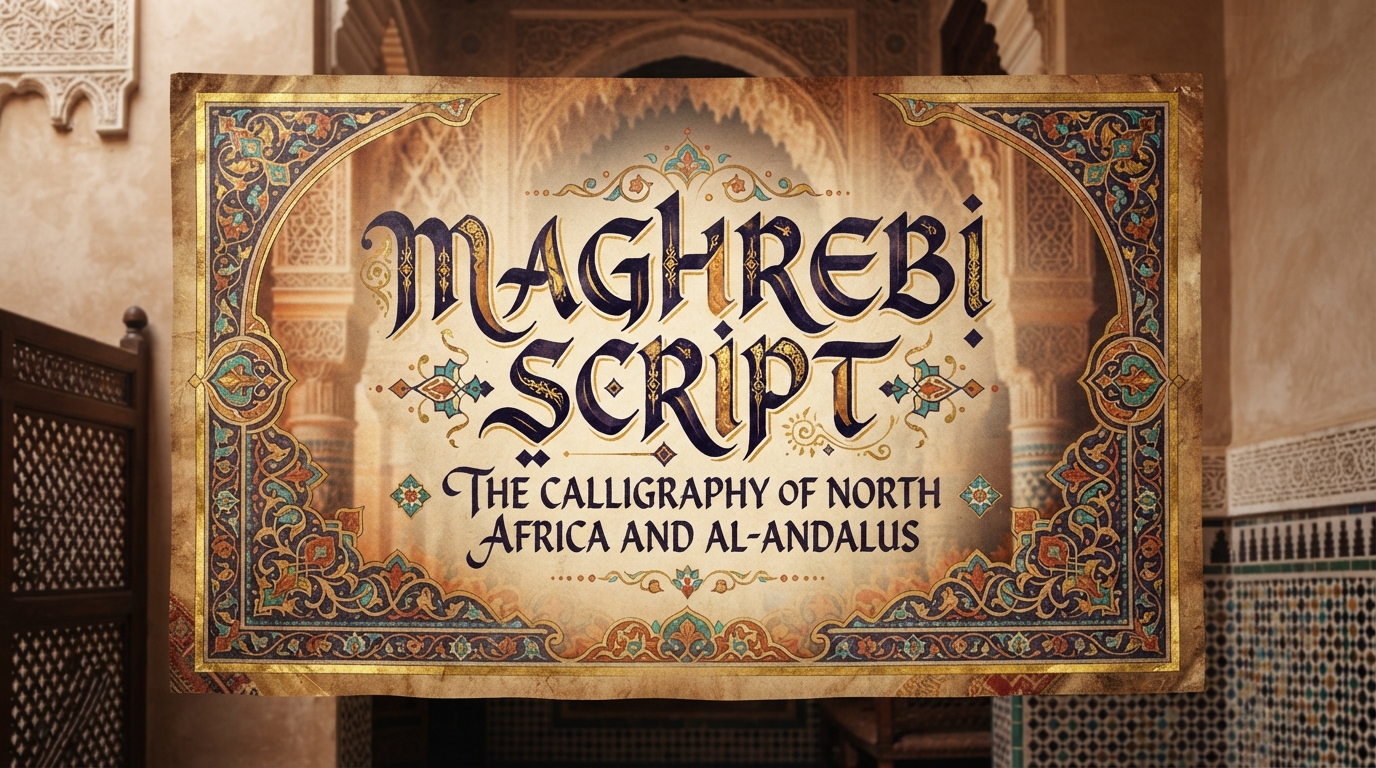
How Maghrebi script developed in North Africa and Islamic Spain, what makes its rounded letterforms unique, and why it's almost absent from digital fonts.
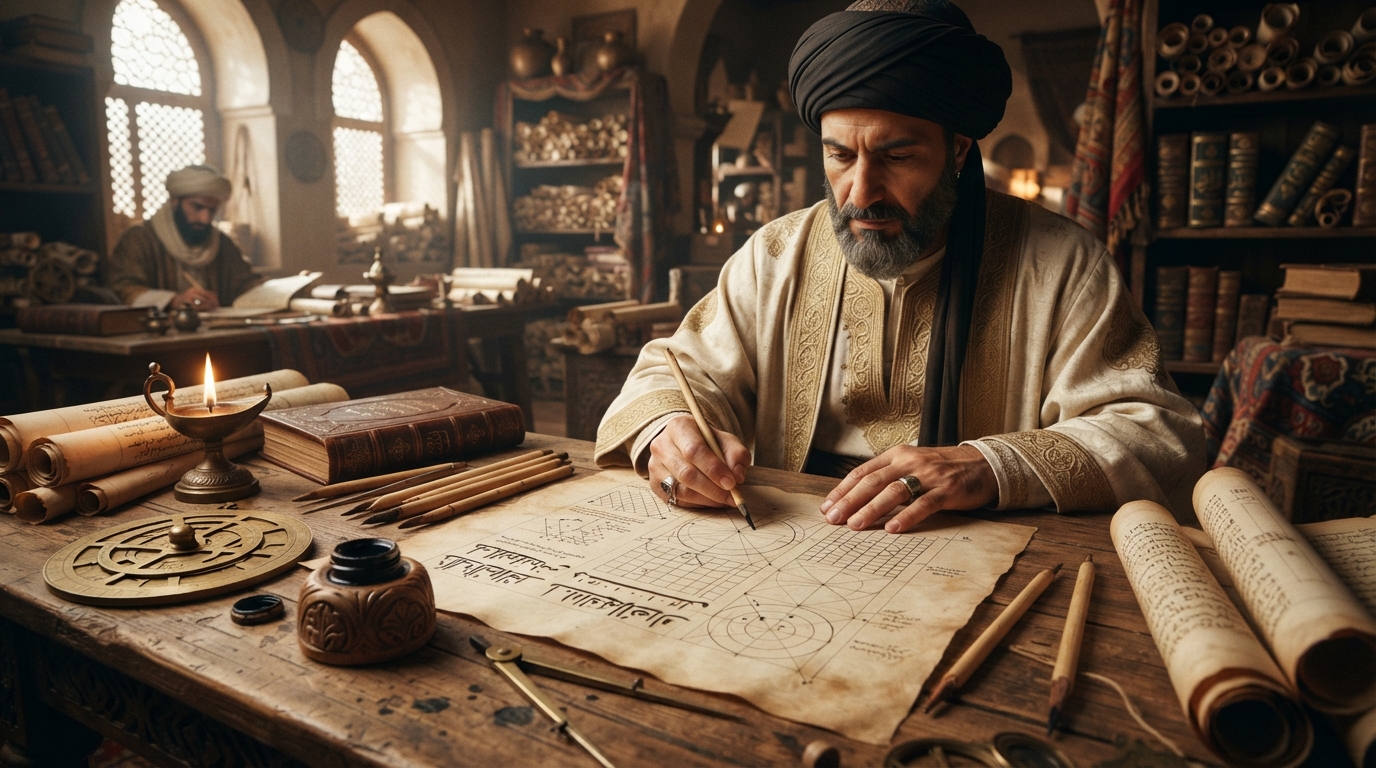
How a 10th-century Abbasid vizier turned Arabic calligraphy into a geometric system — and why his proportioned script still shapes Arabic fonts today.
The history of Naskh script — from its roots as a copyist's hand through Ibn Muqla's proportioned system to its dominance in Arabic print and today's webfonts.
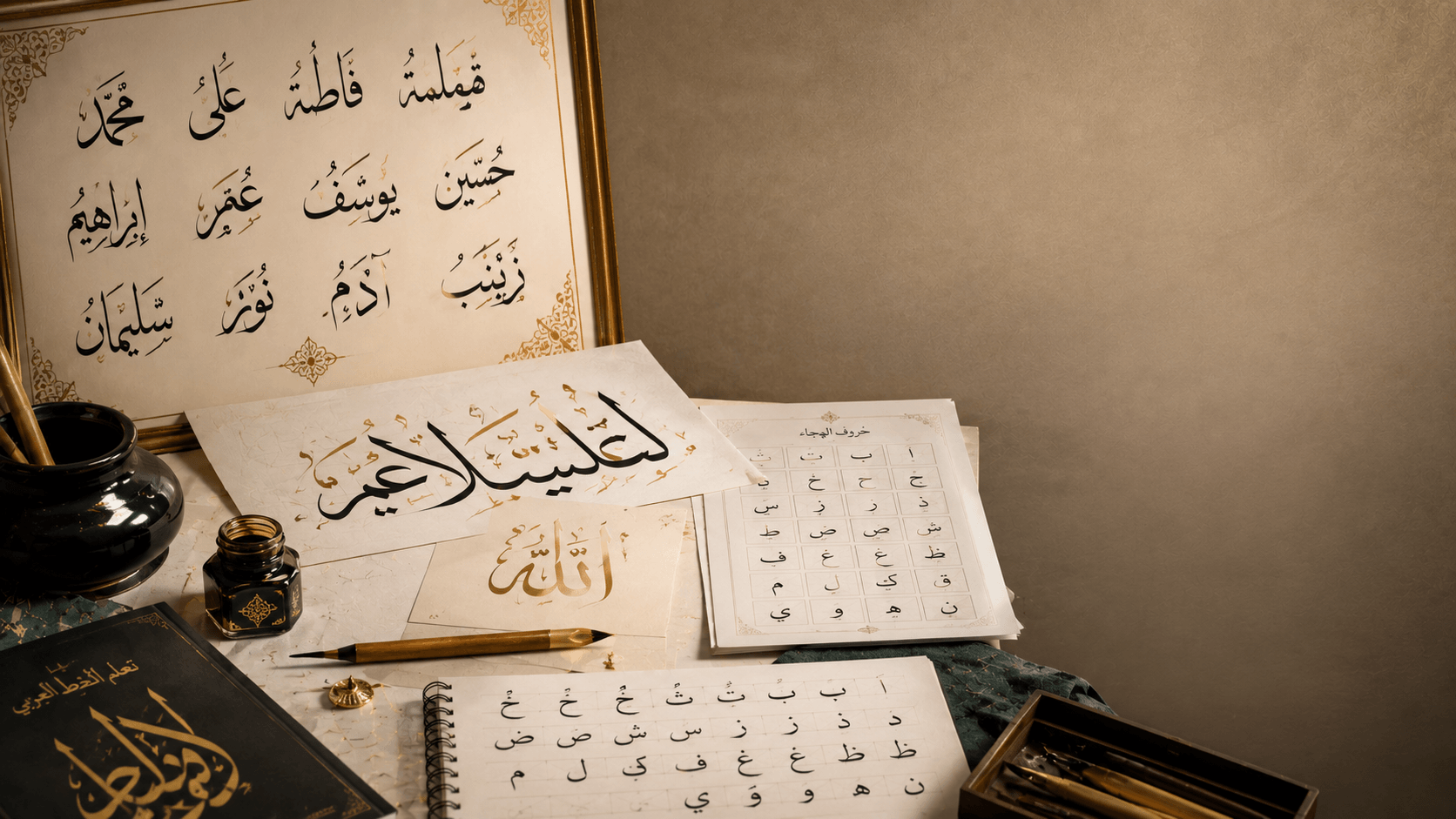
A clear, practical guide to the major Arabic calligraphy styles — Naskh, Kufic, Thuluth, Ruq'ah, Diwani, and Nasta'liq — with examples of where each one is used today.