Tutorials
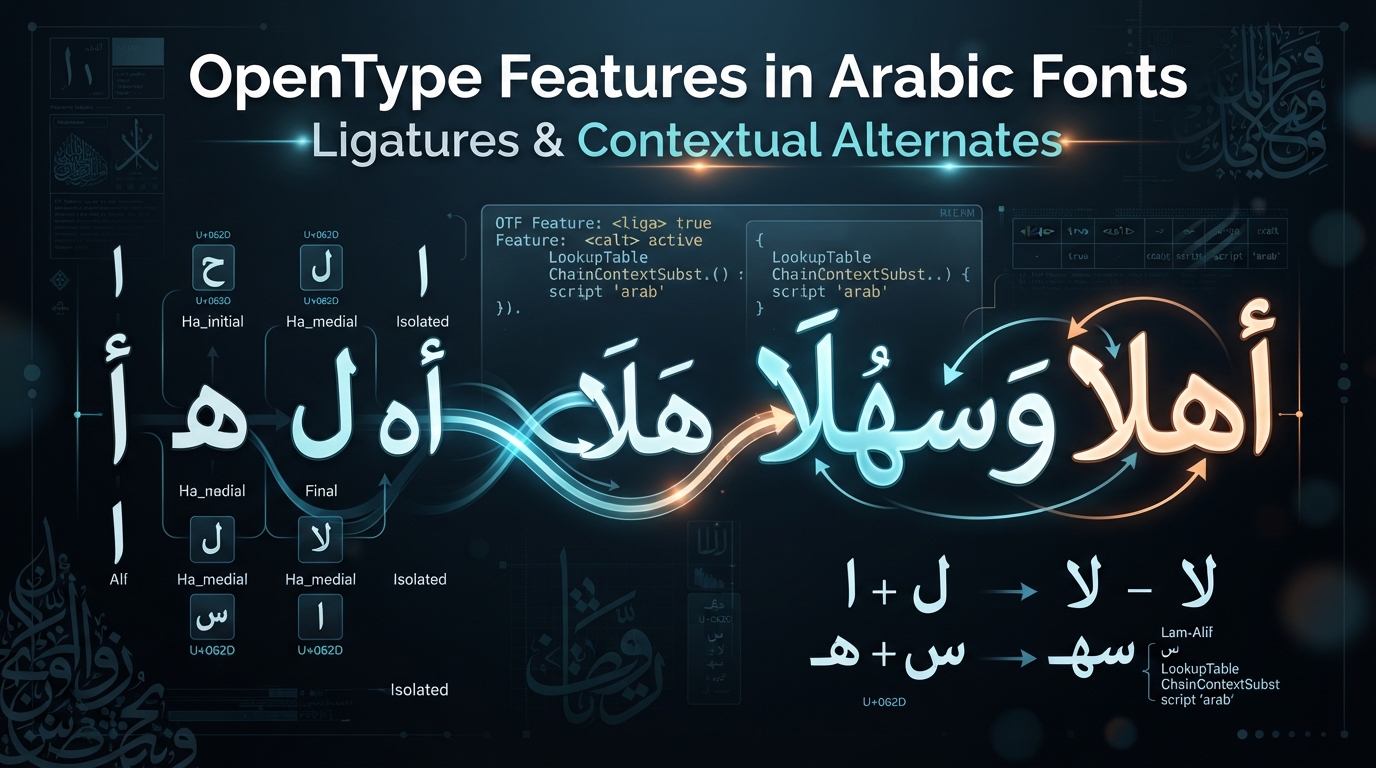
OpenType Features in Arabic Fonts: Ligatures and Contextual Alternates
How OpenType's init, medi, fina, and isol substitution features and required ligatures like lam-alif let Arabic fonts join their letters correctly on screen.
All Arabic Calligraphy Fonts articles tagged "typography-basics".
How OpenType's init, medi, fina, and isol substitution features and required ligatures like lam-alif let Arabic fonts join their letters correctly on screen.
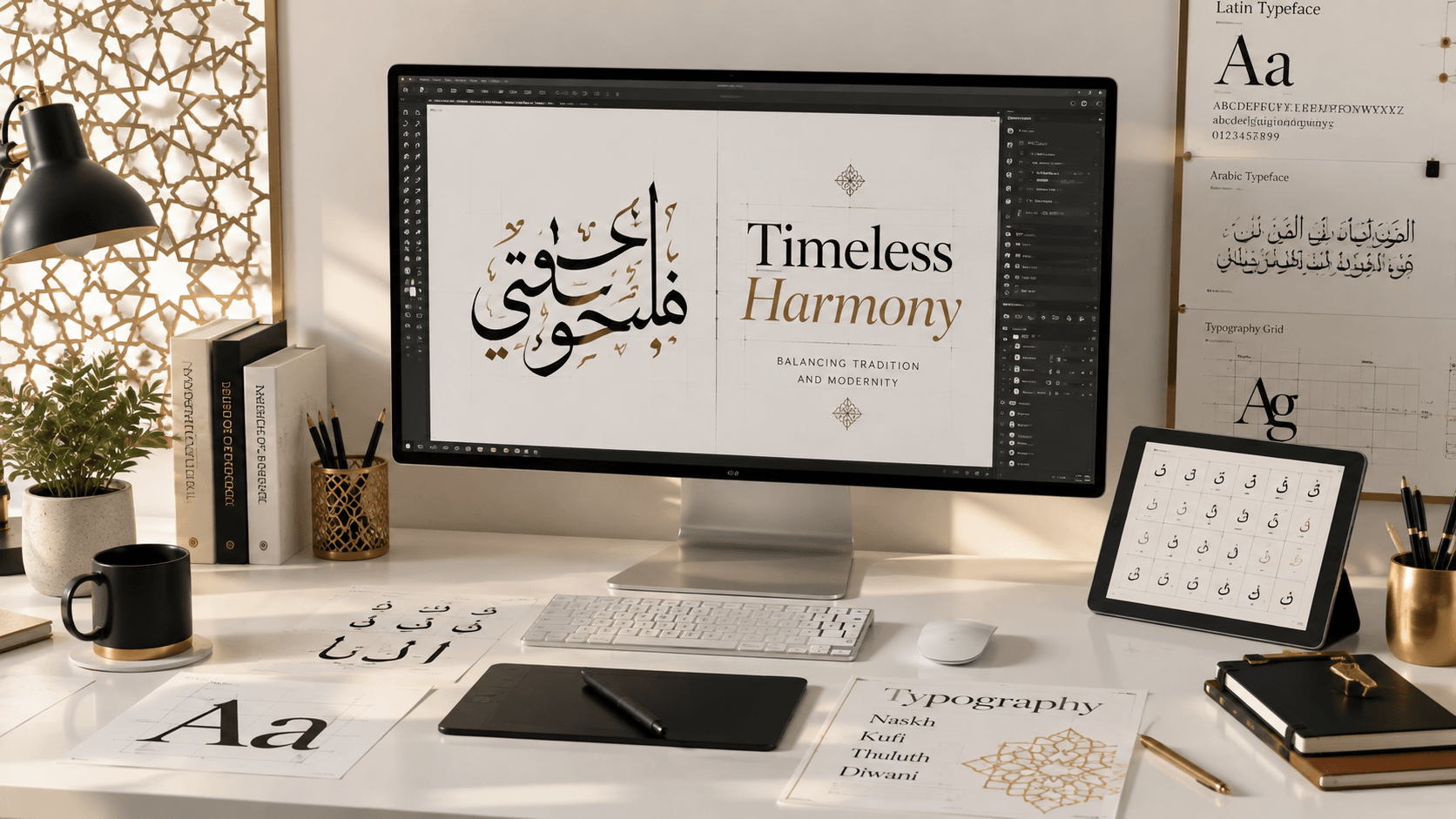
How to pair Arabic and Latin typefaces so bilingual designs look intentional, not mismatched — weight matching, sizing, and layout rules that work.
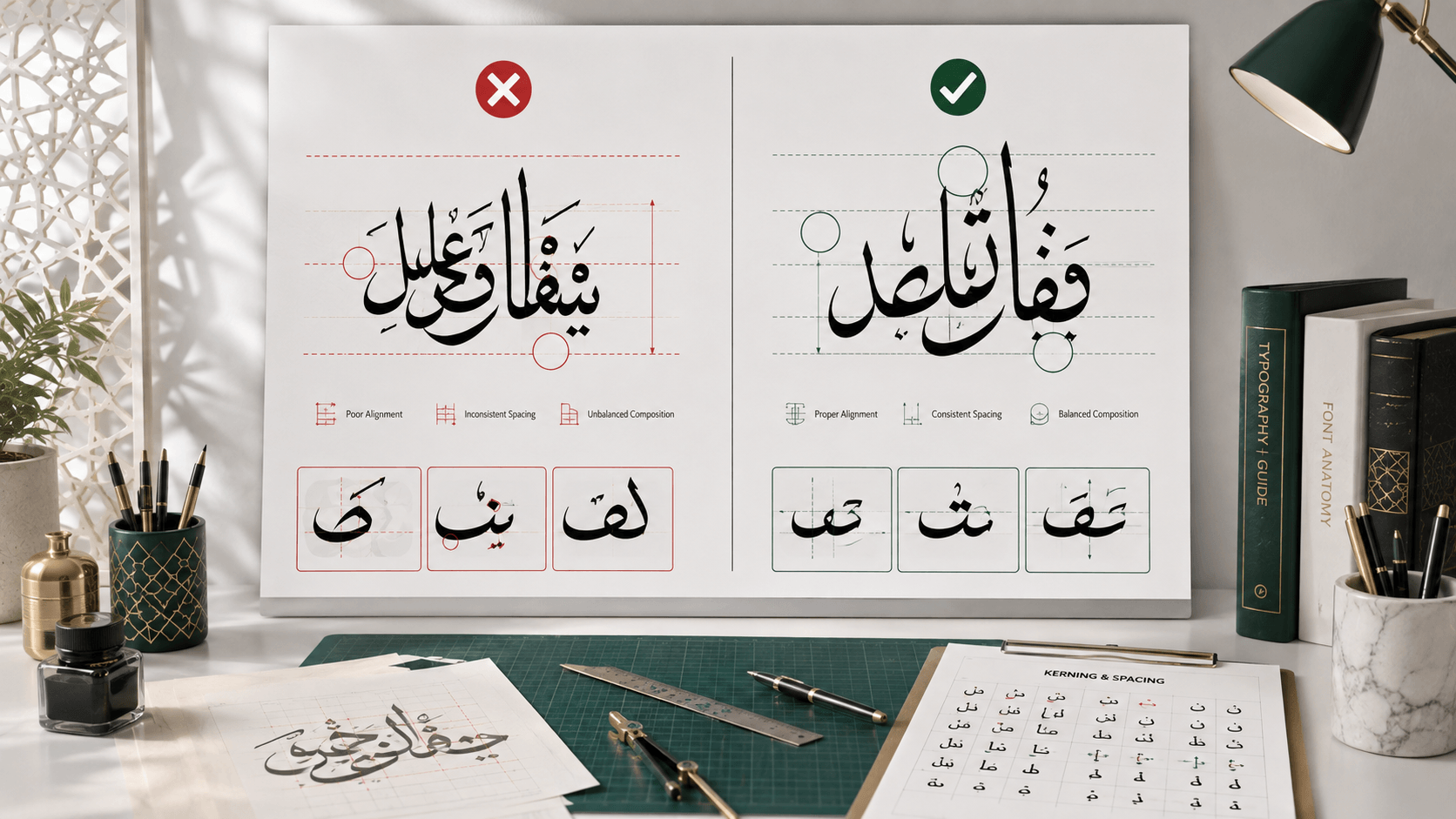
Broken letter connections, wrong-direction text, mismatched fonts — the Arabic typography mistakes that undermine otherwise good designs, and fixes.
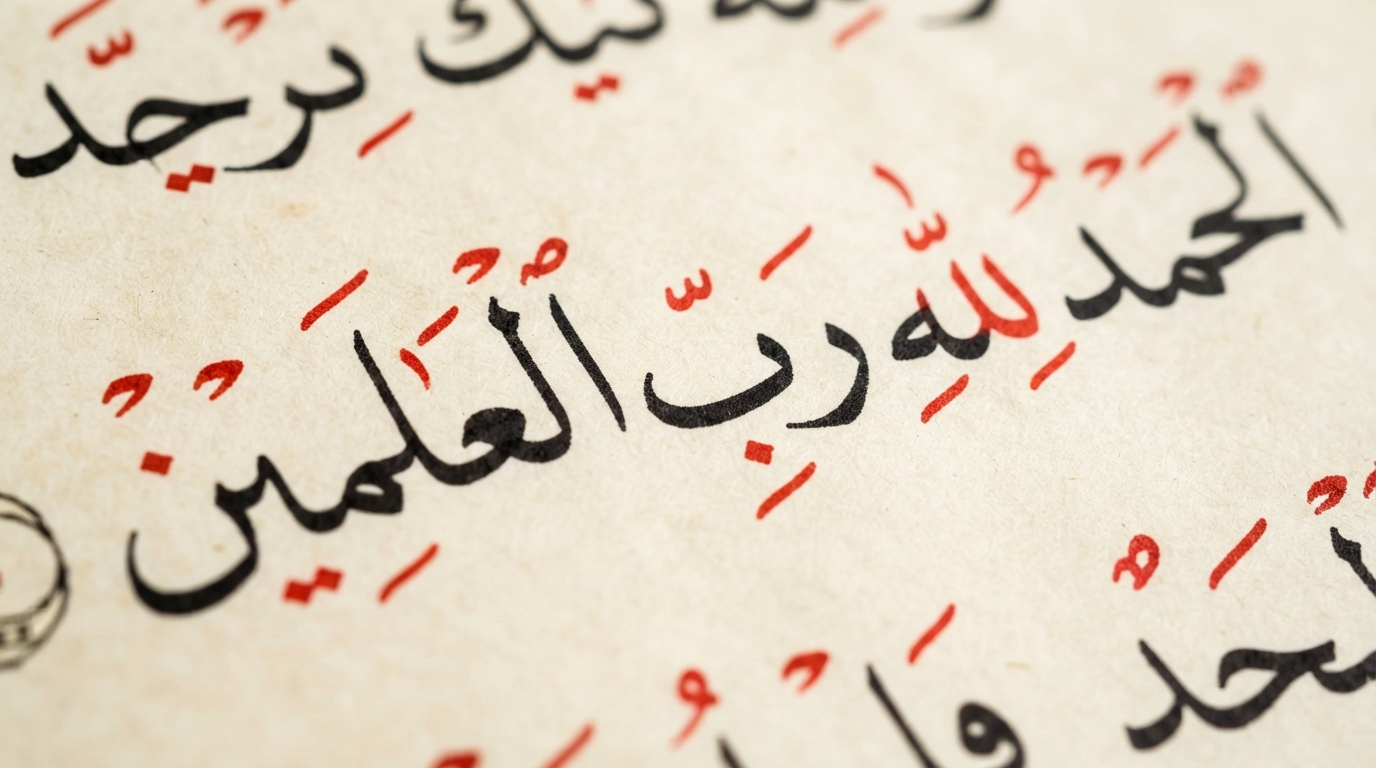
A complete guide to Arabic harakat: what fatha, kasra, damma, sukun, shadda, and tanwin actually do, and when designers should include or omit them in a design.
How to write real alt text for calligraphic images, set the lang="ar" attribute correctly, and handle diacritics so Arabic content works for screen readers.
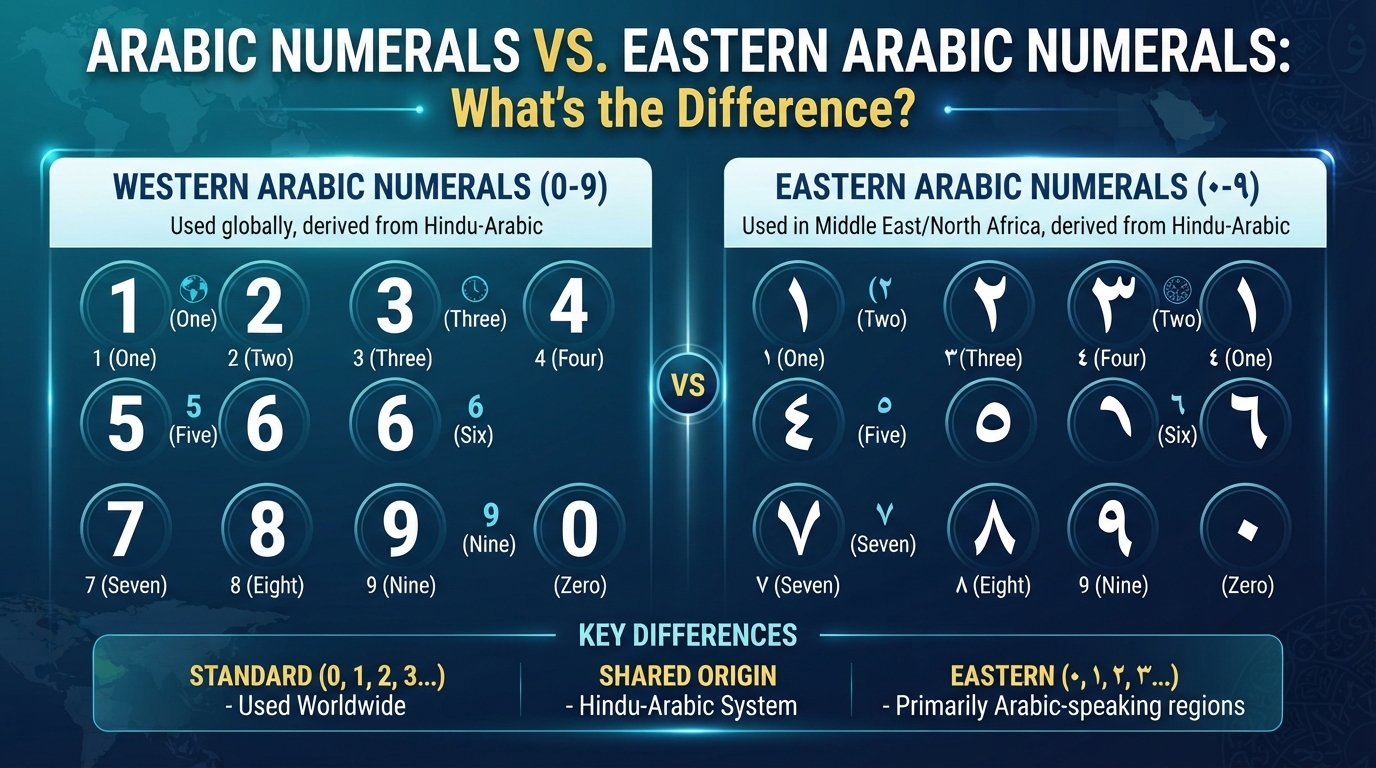
Why 0-9 are called Arabic numerals, why most Arabic-speaking countries actually write with different Eastern Arabic numerals instead, and where each is used.
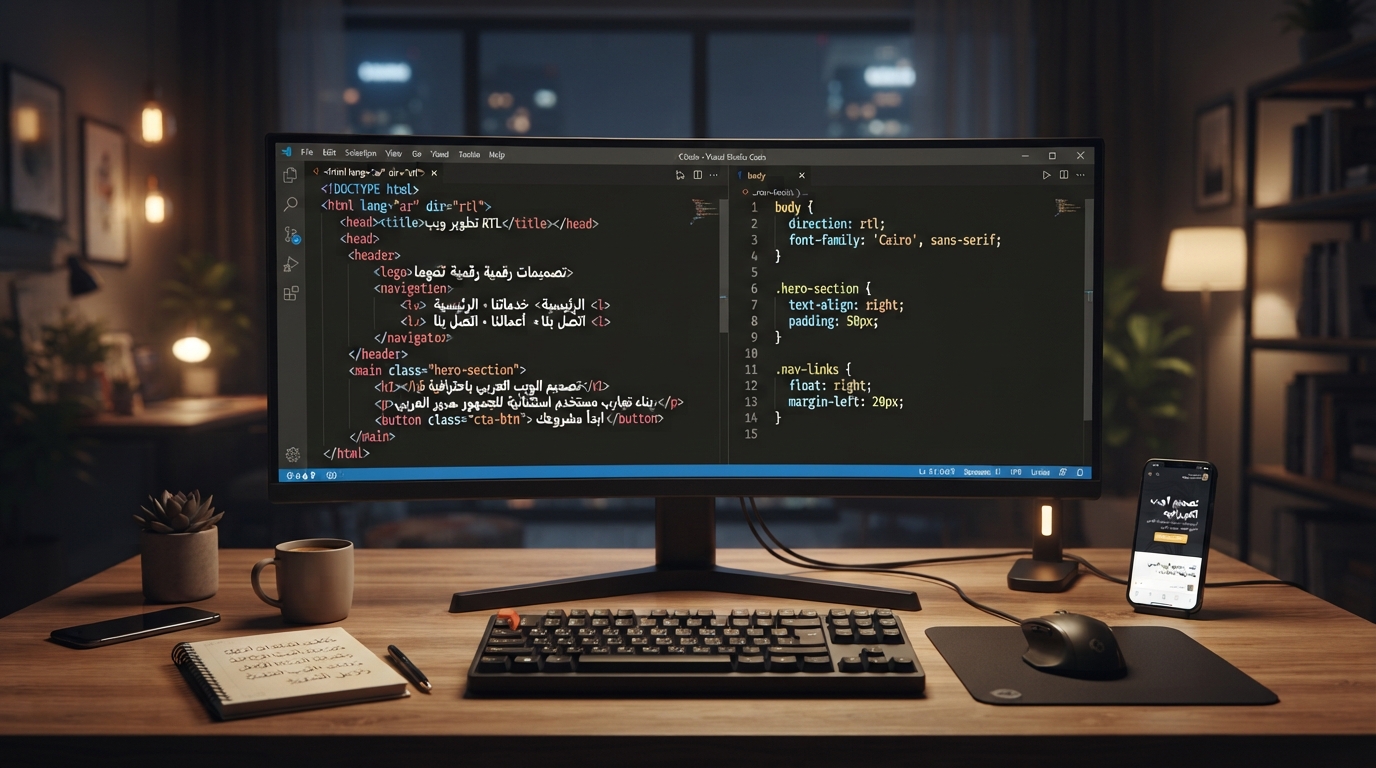
A developer's guide to RTL web design: the dir attribute, CSS logical properties, the Unicode Bidi Algorithm, and how to actually test Arabic layouts.
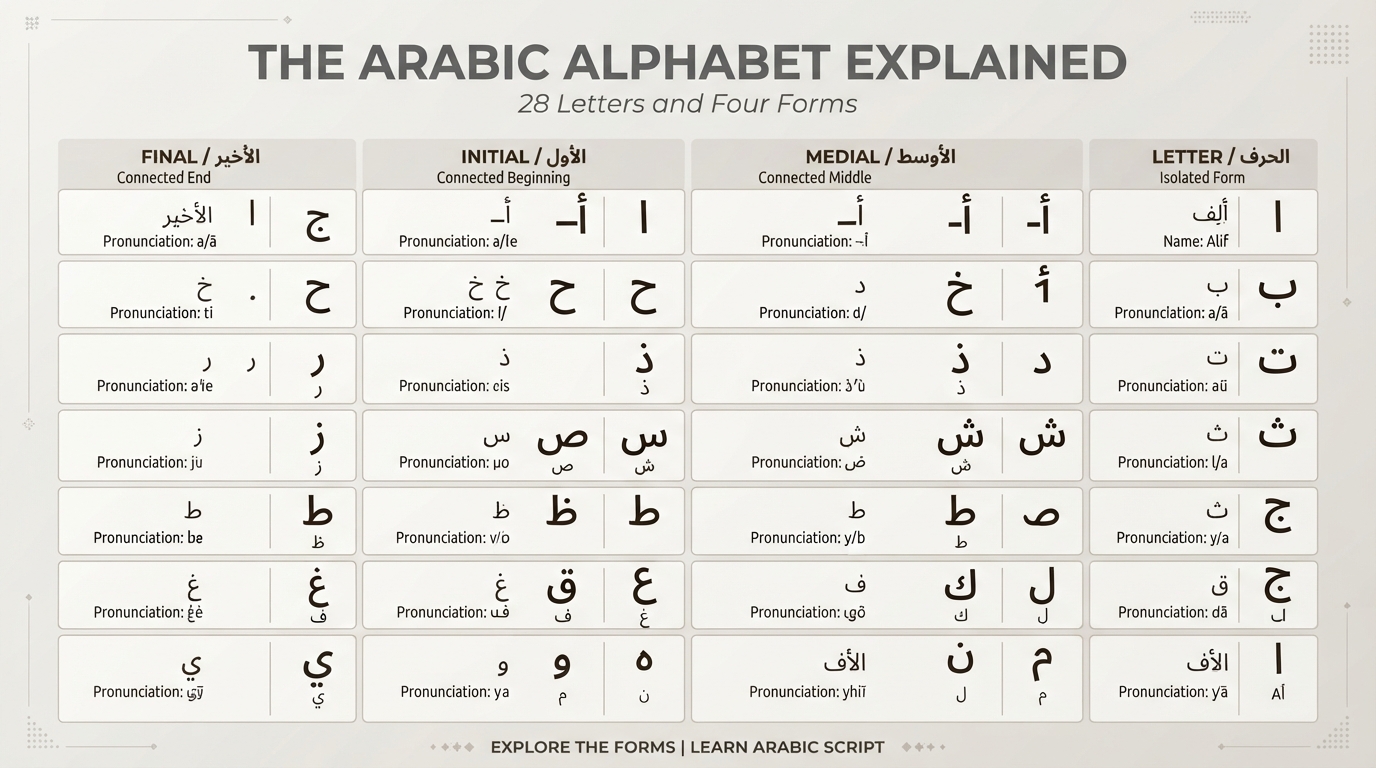
The Arabic alphabet has 28 letters, four positional forms, and six non-connecting letters — the exact mechanics behind common Arabic typography mistakes.
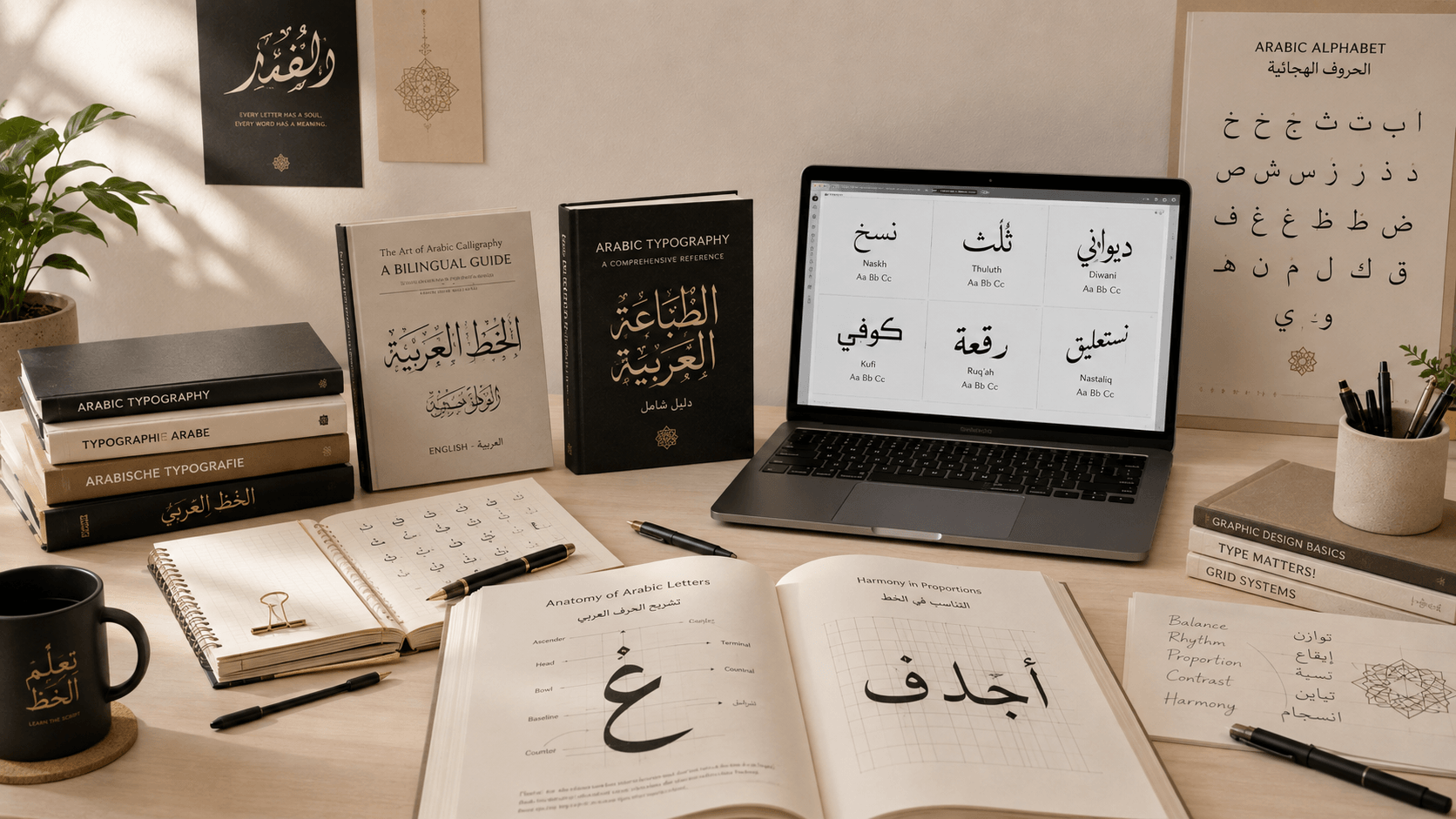
Practical guidance for designers who don't read Arabic but need to work with Arabic type — direction, letter connection, common mistakes, and how to check your work.