Guides
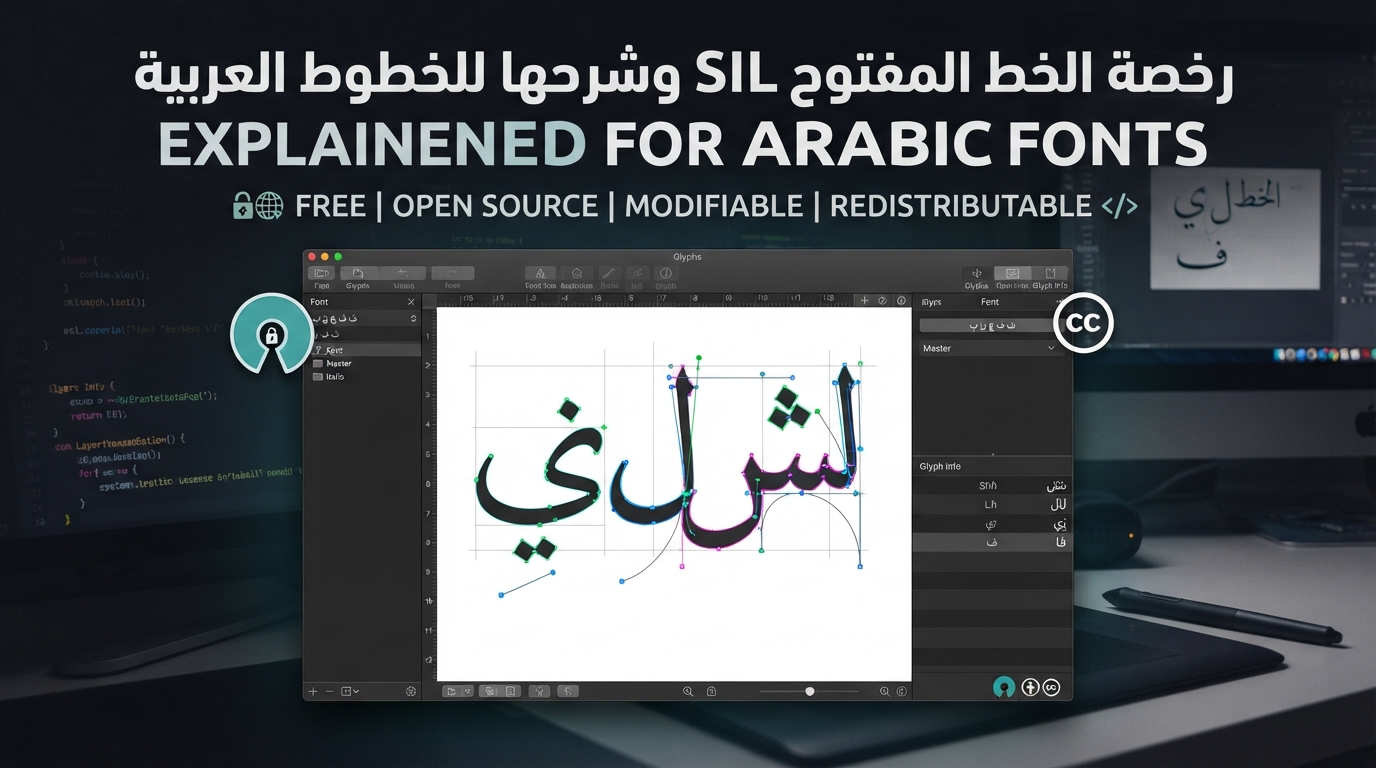
The SIL Open Font License Explained for Arabic Fonts
What the SIL Open Font License actually permits and restricts for Arabic fonts, verified against SIL's own OFL FAQ, explained for commercial projects.
Guides, tutorials, and inspiration on Arabic calligraphy, typography, and design.
What the SIL Open Font License actually permits and restricts for Arabic fonts, verified against SIL's own OFL FAQ, explained for commercial projects.
A practical guide to designing an authentic Arabic restaurant menu: legible script choices, bilingual layout, low-light readability, and paper choices.
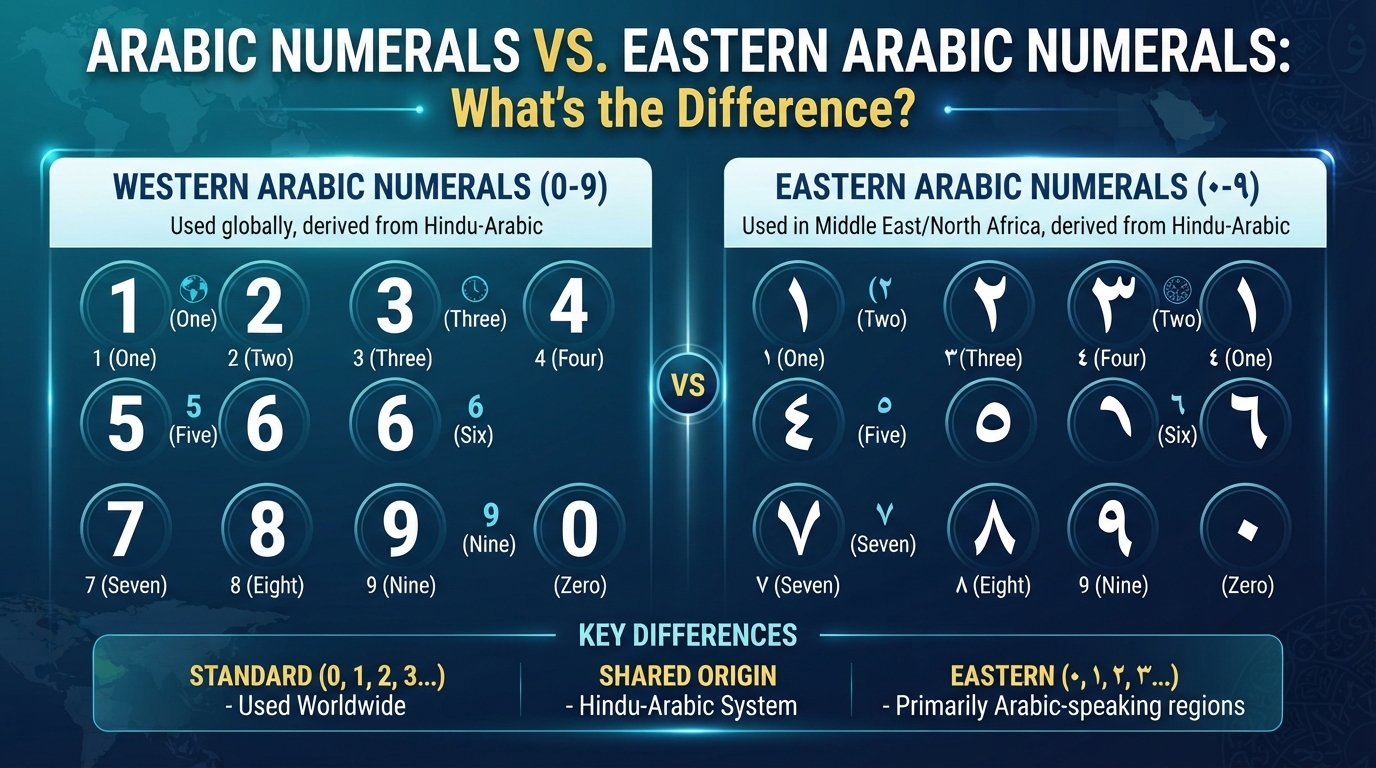
Why 0-9 are called Arabic numerals, why most Arabic-speaking countries actually write with different Eastern Arabic numerals instead, and where each is used.
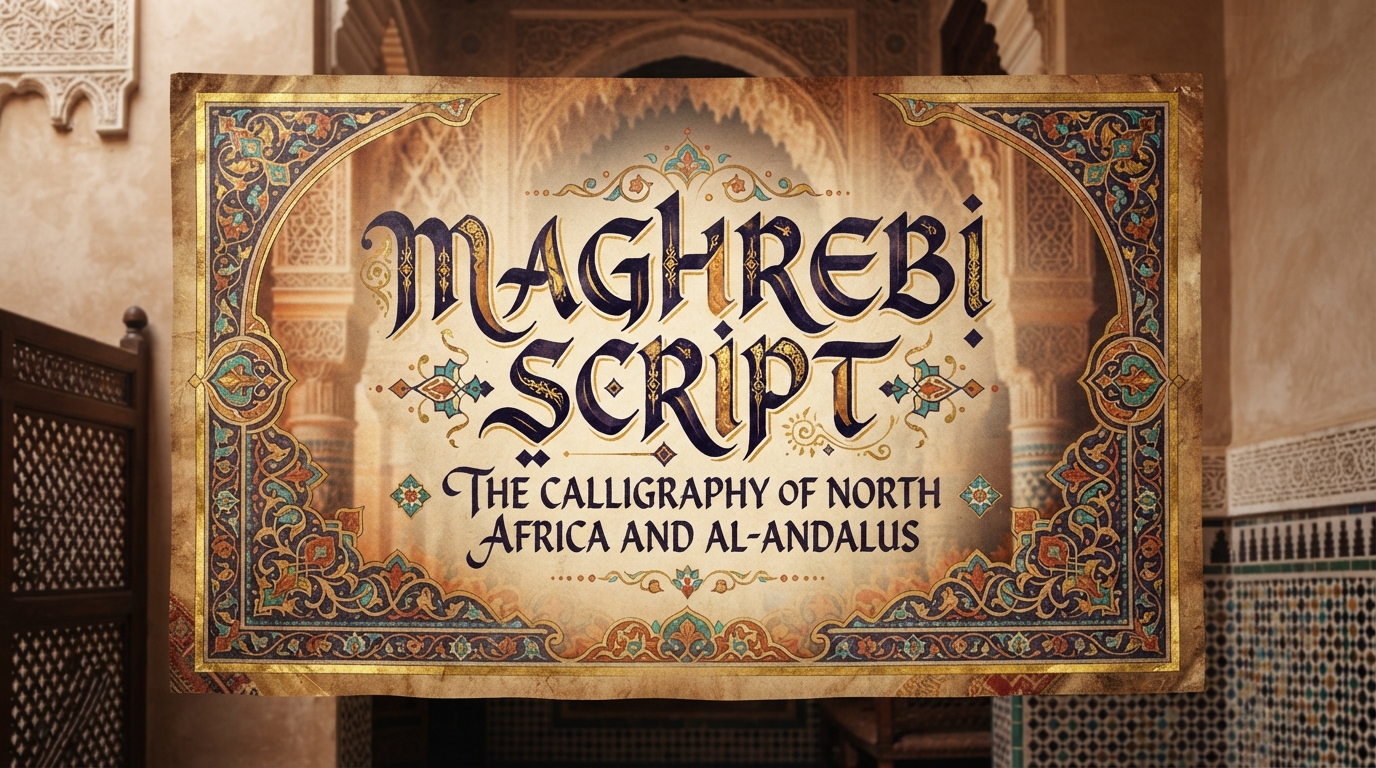
How Maghrebi script developed in North Africa and Islamic Spain, what makes its rounded letterforms unique, and why it's almost absent from digital fonts.
How a 10th-century Abbasid vizier turned Arabic calligraphy into a geometric system — and why his proportioned script still shapes Arabic fonts today.
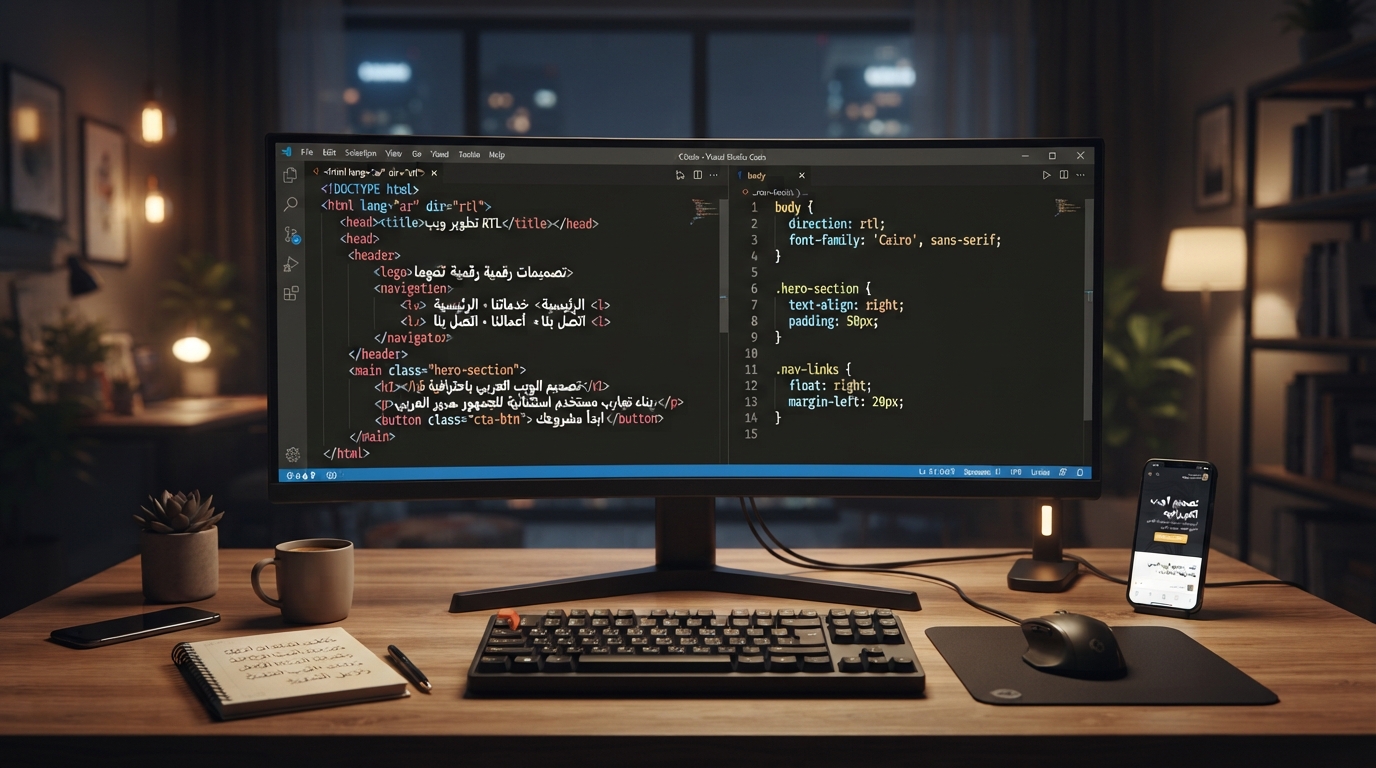
A developer's guide to RTL web design: the dir attribute, CSS logical properties, the Unicode Bidi Algorithm, and how to actually test Arabic layouts.
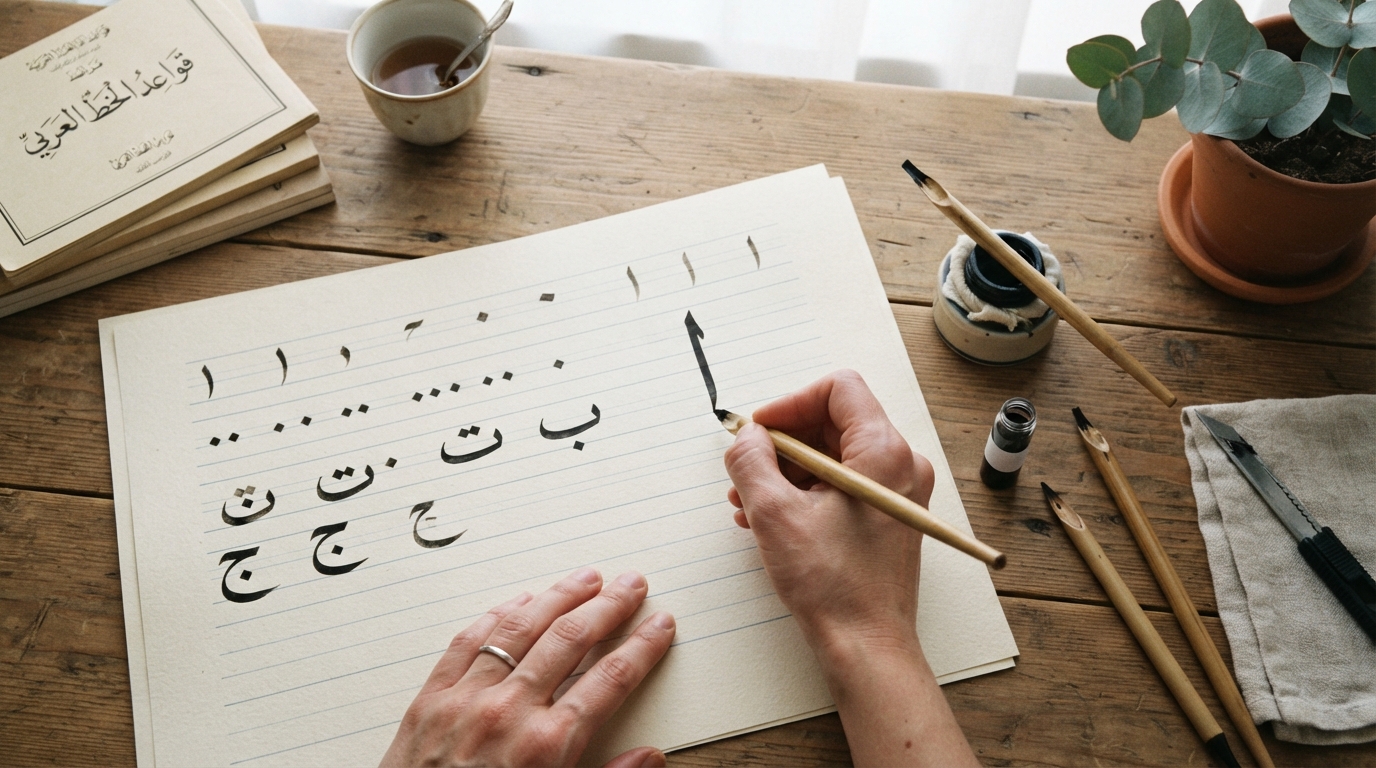
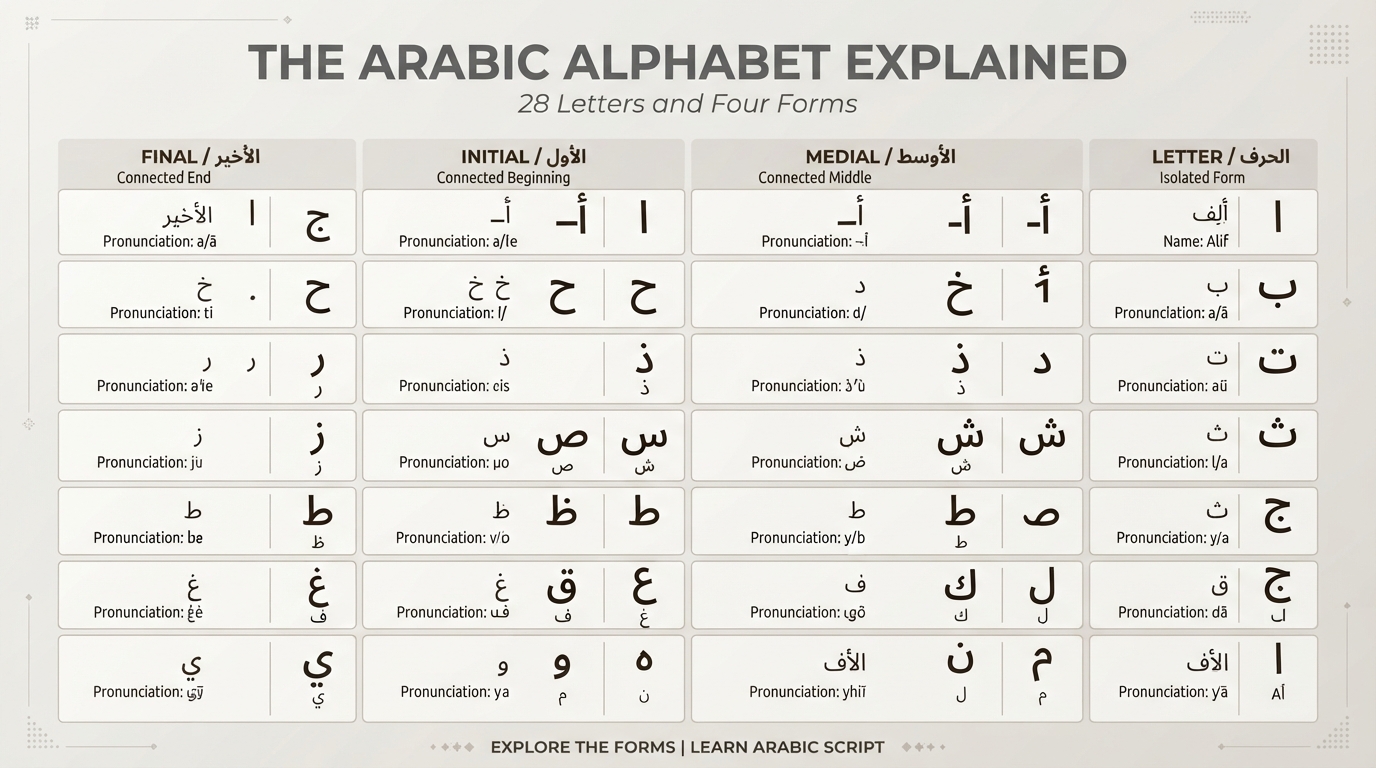
The Arabic alphabet has 28 letters, four positional forms, and six non-connecting letters — the exact mechanics behind common Arabic typography mistakes.
Ten practical, modern applications for Arabic calligraphy beyond traditional art — branding, packaging, apparel, digital products, and more.
The history of Naskh script — from its roots as a copyist's hand through Ibn Muqla's proportioned system to its dominance in Arabic print and today's webfonts.
Practical guidance for designers who don't read Arabic but need to work with Arabic type — direction, letter connection, common mistakes, and how to check your work.